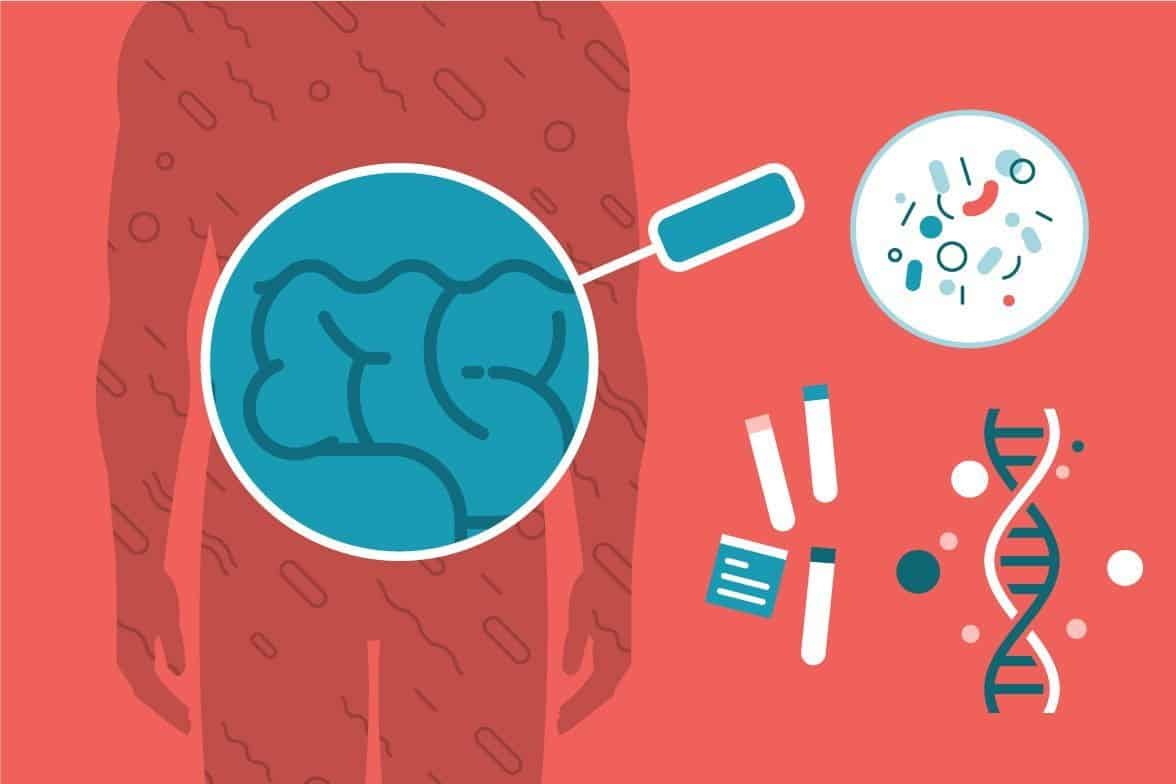
Is it Time to Check Your Gut Health? Unraveling Your Digestive Well-being
In our fast-paced lives, we often ask, "How are you doing?" but perhaps a more telling question would be, "How's your gut?" It's no secret that the health of your digestive system is intricately linked to your overall mental and physical well-being. A surprising number of people experience gut issues, and even more are unaware that their seemingly unrelated symptoms, from mood swings to skin problems, actually stem from an imbalanced gut. The good news? Your gut possesses an incredible capacity for healing, and with the right approach to diet, lifestyle, and targeted supplements, you can restore its balance. It's truly time to check your gut health and empower yourself with knowledge.
Understanding Your Gut: More Than Just Digestion
When we talk about "the gut," we're referring to much more than just your stomach. It encompasses the entire gastrointestinal (GI) tract and its accessory organs—a complex network starting from your mouth, moving through the esophagus, stomach, small intestine, and large intestine (colon), and involving organs like the pancreas, liver, and gallbladder. This intricate system is responsible for breaking down food, absorbing nutrients, and eliminating waste, but its influence extends far beyond mere digestion.
Remarkably, approximately 80% of your immune system resides within your gut. When your gut microbiome—the diverse community of bacteria, viruses, and fungi living within you—is out of balance (a condition known as dysbiosis), it can compromise your immunity, making you more susceptible to illness. Moreover, the gut-brain axis, a bidirectional communication pathway between your gut and brain, means that an unhealthy gut can contribute to a spectrum of issues including depression, anxiety, ADHD, and even impact addictive behaviors. For a deeper dive into these connections, explore our article on Gut Health & Beyond: Link to Mental Health & Immunity. Taking care of your gut means nurturing these tiny inhabitants and, by extension, safeguarding your entire body.
Decoding Your Gut's Signals: Common Symptoms of Imbalance
Your digestive system is constantly communicating with you, sending clear and not-so-clear signals about its state. Experiences like bloating, upset stomach, diarrhea, and vomiting are obvious cries for help. However, your body uses subtler cues that you might unknowingly dismiss. Recognizing these symptoms is the first step when it's time to check your gut health:
- Persistent Bloating and Gas: Often a sign of dysbiosis, food intolerances, or inefficient digestion.
- Constipation or Diarrhea: Irregular bowel movements are a primary indicator that something is amiss with your gut's transit time or bacterial balance.
- Heartburn or Acid Reflux: Can sometimes be linked to low stomach acid or an imbalanced microbiome, not always excess acid.
- Food Intolerances or Sensitivities: Developing new reactions to foods may indicate a compromised gut lining (often referred to as "leaky gut").
- Fatigue and Low Energy: Poor nutrient absorption due to an unhealthy gut can lead to constant tiredness.
- Skin Issues: Conditions like acne, eczema, and psoriasis are often outward manifestations of internal inflammation and gut dysbiosis.
- Mood Swings, Anxiety, or Depression: As discussed, the gut-brain axis means an unhealthy gut can profoundly impact your mental state.
- Unexplained Weight Changes: The gut microbiome plays a role in metabolism, hunger, and how your body stores fat.
- Frequent Illnesses: A weakened gut immune system can lead to more frequent colds, flu, and infections.
Don't dismiss these persistent symptoms. They are crucial clues that your gut needs attention.
The "Grossly Simple" Way: Measuring Your Gut Transit Time
Beyond recognizing symptoms, there's a practical, at-home method to gain illuminating insight into your digestive efficiency: measuring your Whole Gut Transit Time (WGTT). WGTT refers to the amount of time it takes for food to travel from the moment you eat it until its remnants exit your body as stool.
How to Measure Your Gut Transit Time at Home:
This simple test helps you understand how quickly, or slowly, food is moving through your system. Here are two popular methods:
- The Beetroot Test: Eat a serving of beetroot (cooked or raw). Note the exact time. Then, monitor your bowel movements for the appearance of pink or red-tinged stool. The time elapsed is your WGTT.
- The Sesame Seed Test: Consume a tablespoon of whole sesame seeds (sprinkle them on a meal). Note the exact time. Look for the appearance of the small, identifiable seeds in your stool. This method can be a bit more subtle but equally effective.
Studies suggest that the median WGTT is approximately 28 hours, with a "normal" range falling between 10 and 73 hours. This wide range accounts for individual differences, diet, hydration, and activity levels.
What Your Transit Time Tells You:
- Fast Transit Time (under 10-12 hours): This could indicate that food is moving through too quickly for optimal nutrient absorption. Potential causes include irritable bowel syndrome (IBS-D), food sensitivities, or a highly active metabolism. If consistently fast, you might not be absorbing essential vitamins and minerals.
- Slow Transit Time (over 73 hours): A prolonged transit time suggests constipation, a common issue that can lead to discomfort, increased reabsorption of toxins, and an imbalanced microbiome. Causes can include low fiber intake, dehydration, lack of physical activity, certain medications, or an underactive thyroid.
- Optimal Transit Time (roughly 12-48 hours): This range generally indicates efficient digestion and absorption, suggesting a balanced gut environment.
Measuring your WGTT is an excellent, low-cost indicator that helps you determine if it's time to check your gut health more closely and adjust your habits.
Nourishing Your Gut Back to Health: Diet, Lifestyle & Supplements
The incredible thing about your gut is its resilience and capacity for healing. With the right strategies, you can significantly improve your digestive health. It's not usually a quick fix of just one dietary change or supplement; a holistic approach often yields the most drastic and lasting improvements.
1. Embrace a Gut-Friendly Diet
The foundation of gut healing is your plate. Focus on real, whole, and unprocessed foods. The context highlights several gut superfoods that deserve a prominent place in your diet:
- Papaya: A digestive powerhouse, papaya contains natural enzymes like papain that aid in breaking down food, encouraging healthy digestion, and potentially alleviating constipation. It supports a healthy acidic environment in the stomach.
- Blueberries and Raspberries: These vibrant berries are rich in fiber, crucial for healthy bowel movements and feeding beneficial gut bacteria. They are also packed with antioxidants and vitamins that combat inflammation and support overall health, helping to keep "bad" bacteria in check.
- Citrus (Oranges, Lemons, Limes): While acidic in taste, citrus fruits create an alkaline environment in the body upon digestion, which is beneficial for overall health and digestion. Plus, their high vitamin C content supports immune function.
Beyond these, incorporate a diverse range of plant-based foods to feed a wide array of beneficial bacteria. Think leafy greens, a variety of colorful vegetables, and whole grains. Fermented foods like kimchi, sauerkraut, kefir, and yogurt are excellent sources of probiotics, directly introducing beneficial bacteria. Don't forget prebiotics found in foods like onions, garlic, asparagus, and bananas, which act as food for your gut microbes. Conversely, limit highly processed foods, excessive sugar, unhealthy fats, and artificial sweeteners, all of which can disrupt gut balance.
2. Lifestyle for Digestive Harmony
Diet is paramount, but lifestyle factors play an equally critical role:
- Stress Management: Chronic stress profoundly impacts the gut. Practices like meditation, deep breathing, yoga, or spending time in nature can significantly reduce stress and improve gut function.
- Adequate Sleep: Aim for 7-9 hours of quality sleep per night. Sleep deprivation can disrupt the gut microbiome and increase inflammation.
- Regular Exercise: Physical activity promotes healthy bowel motility and can positively influence gut microbiota composition.
- Hydration: Drink plenty of water throughout the day. Water is essential for healthy digestion and preventing constipation.
3. Strategic Supplementation
While diet is foundational, specific, high-quality supplements can support and accelerate gut healing, especially when it's time to check your gut health for specific deficiencies or imbalances.
- Probiotics: As highlighted in the context, a high-quality, multi-strain probiotic can introduce beneficial bacteria, restoring balance to your microbiome. Different strains target different issues, so consult with a healthcare professional if unsure.
- Digestive Enzymes: Like the natural enzymes in papaya, supplemental digestive enzymes can help your body break down food more efficiently, reducing digestive discomfort and improving nutrient absorption.
- Prebiotic Supplements: If your dietary intake of prebiotics is low, supplements can help feed your existing beneficial gut bacteria.
- L-Glutamine: An amino acid that plays a vital role in maintaining the integrity of the gut lining, L-glutamine can be beneficial for those with "leaky gut."
- Collagen: Supports the structure of the gut lining and contains amino acids beneficial for tissue repair.
For a more detailed guide on gut-healing strategies, including specific foods and supplement recommendations, check out our resource: Heal Your Gut: Diet, Superfoods & Supplements for Wellness.
Take Control: It's Your Time to Check Your Gut Health
Your gut is a powerful, complex ecosystem that profoundly influences every aspect of your health. From immunity and mood to energy levels and skin clarity, a balanced gut is a cornerstone of well-being. By paying attention to your body's signals, understanding your transit time, and making conscious choices about your diet, lifestyle, and supplementation, you can embark on a transformative journey towards optimal gut health. Don't wait for chronic discomfort to take hold; it's truly time to check your gut health and invest in a healthier, happier you.
